

Blackness is not a monolith, and literature should reflect the full spectrum of Black identities and experiences. By reading and amplifying these voices, we help ensure that everyone within the Black community sees themselves in stories
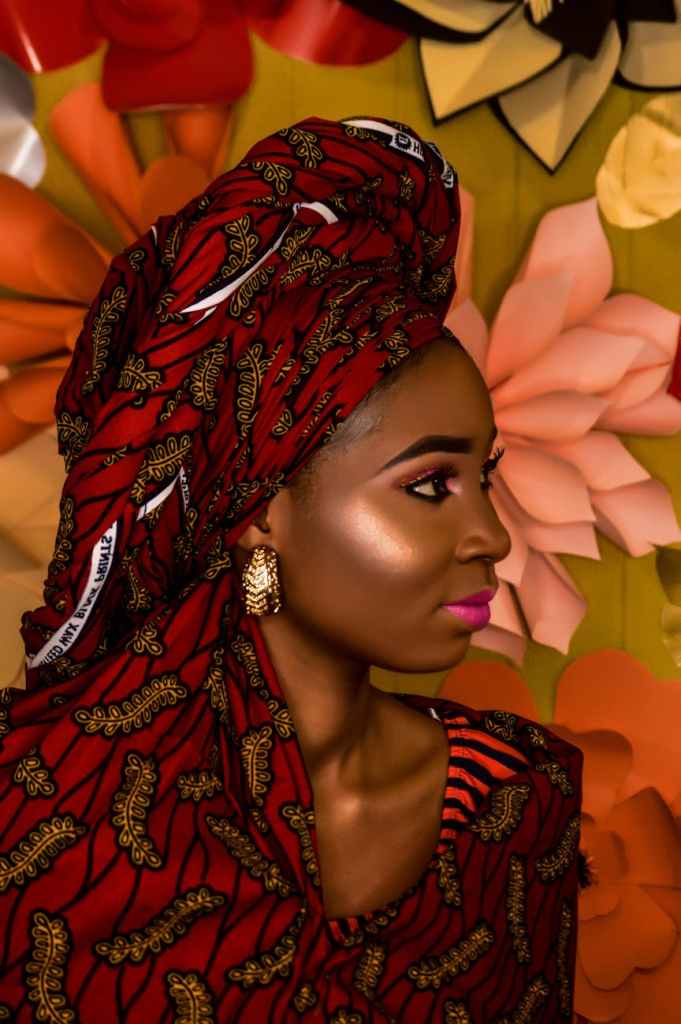
Afro-Latinx Narratives
Afro-Latinx literature explores themes of racial identity, anti-Blackness within Latinx communities, cultural hybridity, and the deep historical ties between Africa, the Caribbean, and Latin America.
Recommended Reads
The Poet X by Elizabeth Acevedo
A powerful novel-in-verse about a Dominican teen navigating faith, family expectations, and her love of slam poetry.
Ordinary Girls: A Memoir by Jaquira Díaz
A raw and compelling memoir about growing up Afro-Puerto Rican in the U.S. and facing issues of race, gender, and survival.
Black Sugar by Miguel Bonnefoy
A historical fiction novel that explores Afro-Caribbean heritage, colonial legacies, and resilience.

Black Disability Narratives
Black disabled voices are often absent from mainstream literary discussions, yet they provide crucial insights into the intersection of race, disability, and systemic oppression.
Recommended Reads
Haben: The Deafblind Woman Who Conquered Harvard Law by Haben Girma
An inspiring memoir about overcoming barriers as a Black disabled woman in academia and activism.
Black Disability Politics by Sami Schalk
A deep dive into the history of disability activism within the Black community.
Golem Girl: A Memoir by Riva Lehrer
An artist’s memoir that explores disability, art, and identity, including perspectives on being a disabled, queer woman.

Black LGBTQ+ Stories
The intersection of Blackness and queerness has long been erased or sidelined in literature, despite the profound contributions of Black LGBTQ+ writers and activists.
Recommended Reads
We Are Watching Eliza Bright by A.E. Osworth
A gripping novel about online harassment and the struggles of a queer Black woman in the tech industry.
The Black Flamingo by Dean Atta
A beautifully written YA novel-in-verse about a Black British teen embracing his identity as a drag performer.
All Boys Aren’t Blue by George M. Johnson
A powerful memoir-manifesto that explores being Black and queer in America.
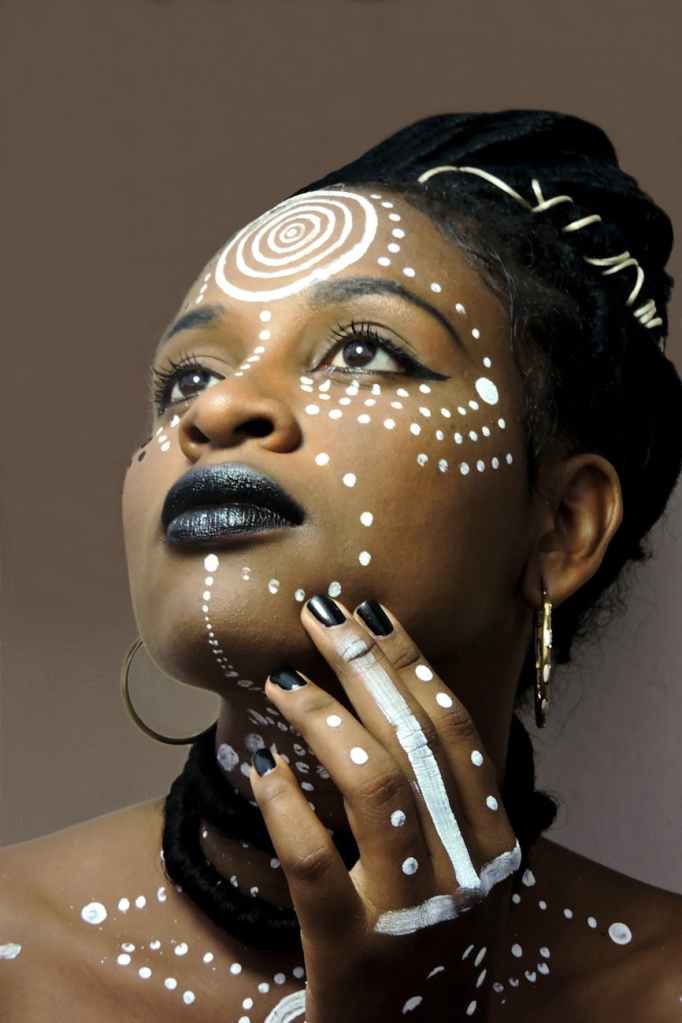
Black Global Narratives
Black storytelling extends beyond the United States. Exploring literature from the Caribbean, Africa, and Europe offers readers a broader understanding of Black identity across different cultural and political landscapes.
Recommended Reads
Kintu by Jennifer Nansubuga Makumbi
A sweeping epic that blends Ugandan folklore with modern-day storytelling.
The Confessions of Frannie Langton by Sara Collins
A gothic historical novel about a formerly enslaved woman accused of murdering her employer in 19th-century London.
Half of a Yellow Sun by Chimamanda Ngozi Adichie
A historical novel about the Biafran War and the complexities of post-colonial identity.
How You Can Support These Stories
📖 Read Beyond Mainstream Recommendations
- Seek out books from indie presses and lesser-known authors – Independent publishers often take risks on diverse and experimental Black voices that mainstream publishing may overlook. Look into presses like Akashic Books, The Feminist Press, and Haymarket Books.
- Explore different genres – Black voices thrive in every literary space, from Afrofuturism and fantasy to romance, horror, and memoirs. Find books that explore new perspectives beyond historical fiction and social justice narratives.
- Follow diverse reading challenges – Join initiatives like #ReadBlack or #BlackLitChallenge, which encourage reading outside the usual recommendations.
📢 Recommend Diverse Black Literature
- Share books that go beyond the usual “required reading” lists – When recommending books, consider works that highlight aspects of Black life often overlooked, such as neurodivergent Black characters, Black Muslim narratives, or Afro-Caribbean history.
- Create visibility through reviews and discussions – Leave thoughtful reviews on platforms like StoryGraph, Fable and social media. Many independent and debut authors rely on word-of-mouth to gain traction.
- Gift books by underrepresented Black authors – Whether for birthdays, holidays, or classroom settings, introducing others to these books increases readership and impact.
📚 Support Diverse Black Authors
- Purchase books from independent Black authors and publishers – Buying directly from Black-owned bookstores, such as MahoganyBooks, Semicolon Bookstore, or Uncle Bobbie’s, ensures that funds go back into the community.
- Request these books at your local library – If a library doesn’t carry a book by an underrepresented Black author, request it. This helps boost demand and ensures wider accessibility.
- Support debut authors – New voices often struggle to gain recognition. Pre-ordering their books and engaging with their content online can significantly impact their success.
💬 Engage in Discussions
- Start conversations about why these perspectives matter – Whether in book clubs, social media discussions, or classroom settings, encourage meaningful dialogue about the need for diverse Black narratives.
- Use books as tools for advocacy – Literature can be a gateway to deeper understanding. Reading books about disabled Black experiences, for example, can open discussions about accessibility and representation.
- Amplify author events and book launches – Attending readings, sharing virtual author talks, and promoting events can help create more buzz around diverse Black literature.
 The Ethical Echo
Leave a comment